

THE BLOG
Ship Happens. We talk about it.
Recent Posts
Who’s Data is it Anyway?
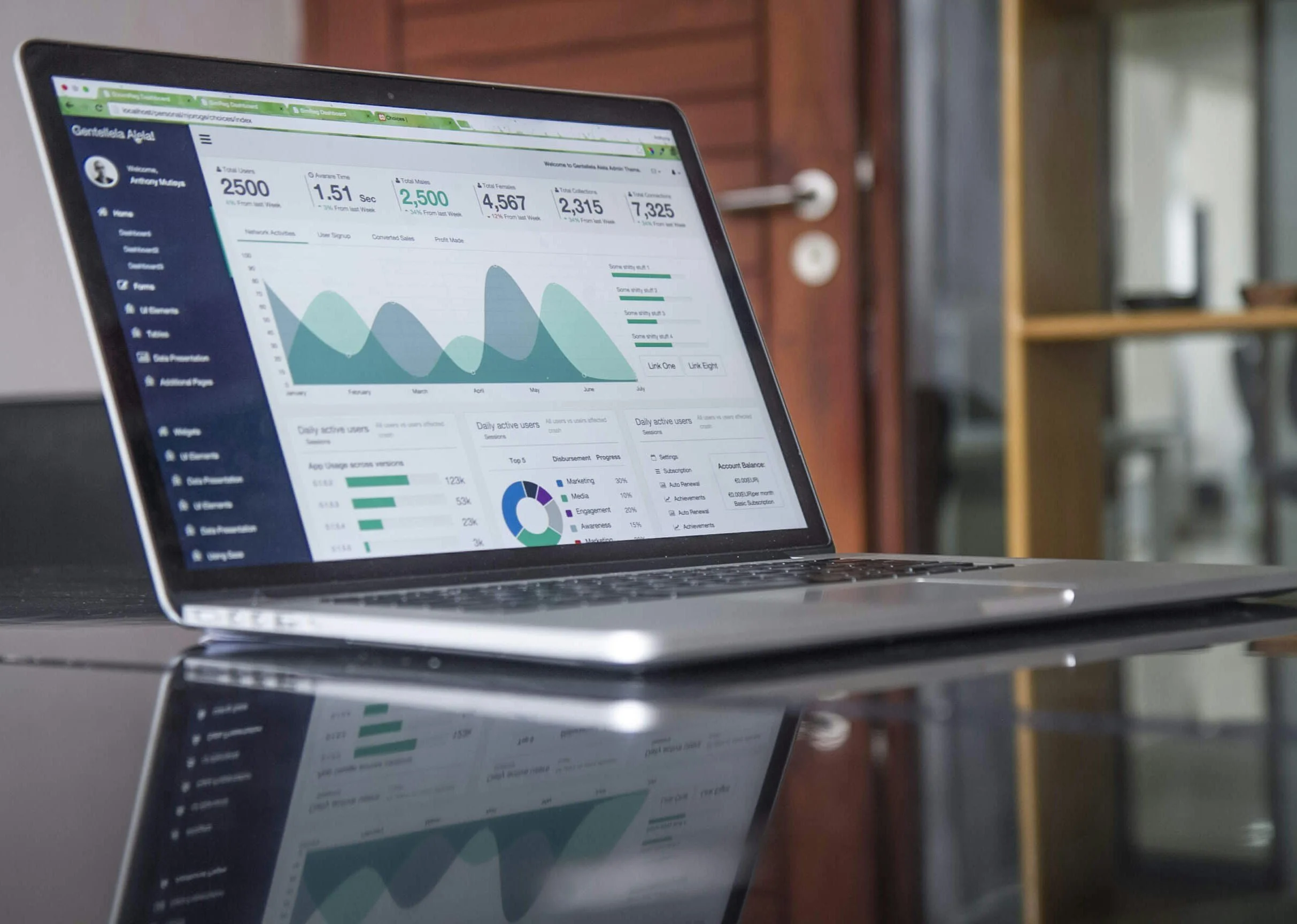
Let's talk about your data, and whether you truly, fully own it. As technology advances we keep signing on to more and more SaaS products that have access to what we do, and I'm not just talking about work. Social media knows so much about me that it can tell when I need to get my hair done, and right on cue the inspo pics start showing up in my Pinterest feed. That one's a fair trade at least, we hand the platform our data and in exchange we get entertainment, information, and connection to other people. But the tools you run your business on are a different conversation, because when you sign on with a logistics SaaS company, what is actually happening to your data? Let's talk about the tech that carriers, brokers, and shippers are using every day, and what's happening to the abundance of data all of it is producing.
Hot Topics from CoCreate by Alibaba.com
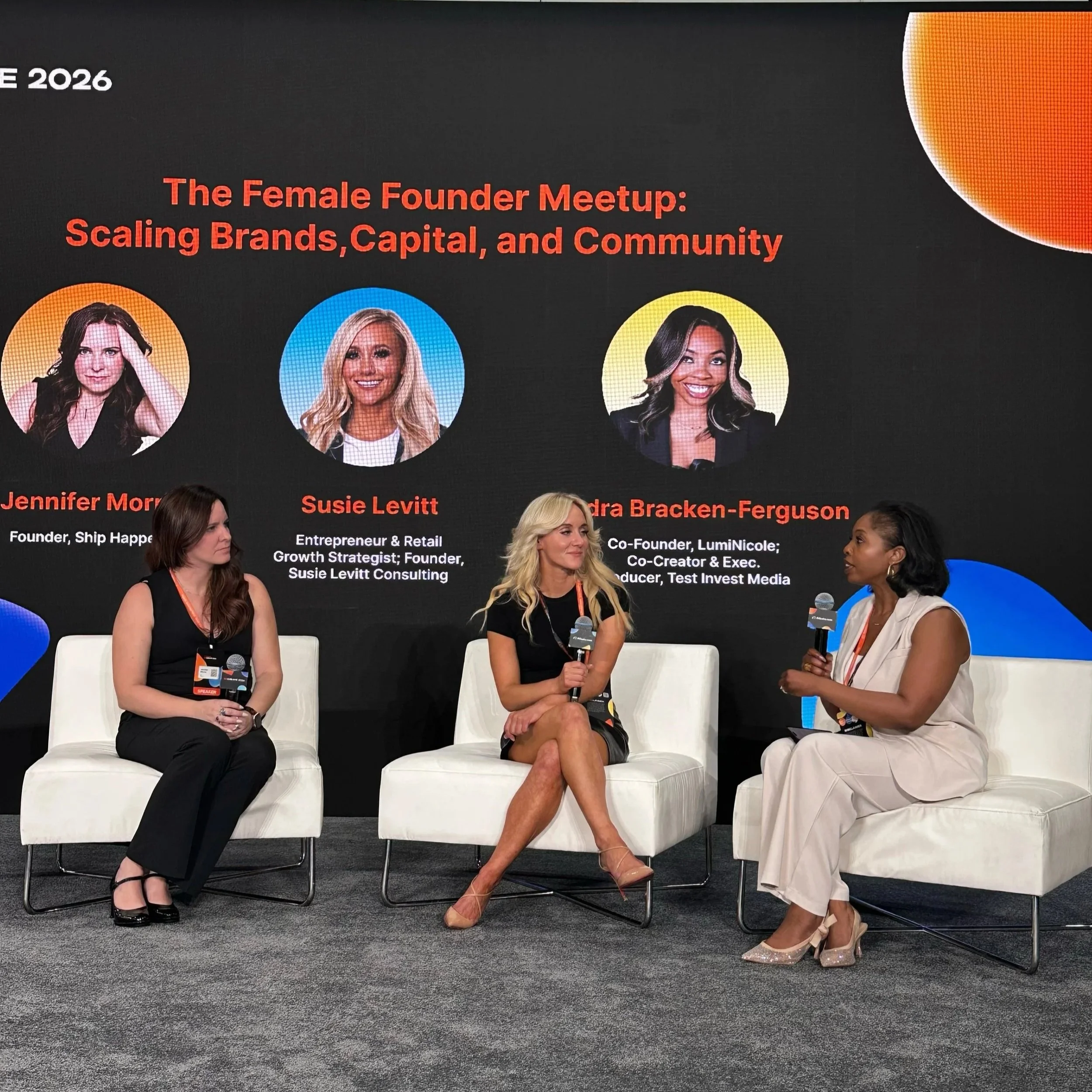
Last week I had the privilege of attending my second CoCreate by Alibaba.com, and this time I was invited to be on a panel called "The Female Founder Meetup: Scaling Brands, Capital, and Community." Thank you to everyone who came out, because I might be biased, but we had a sharp, engaged audience that made the whole thing better than I ever thought it could be.
During my two days of hallway chats, coffee meet-ups, and after-panel discussions, I noticed the same topics kept coming up. So here are the eleven hottest topics.

Gorgeous Girls In Supply Chain: Joanna Pachnik
Welcome to our series celebrating the incredible women in Supply Chain and Logistics! In a traditionally male-dominated field, it's important to shine a light on the inspiring women who are making a significant impact. Through a mix of insightful and fun questions, we’ll explore their journeys, challenges, and successes. While we acknowledge the contributions of everyone in this industry, this series aims to elevate the voices and stories of women who often get missed. Next up: Joanna Pachnik

The Idea That Won’t Go Away
Some of the best people I know in the industry just took the plunge into being founders, and I could not be happier about it.
Four of them, people I have watched operate for a while now and respect enormously, left comfortable, familiar setups to do it together. From the outside that may look reckless. From the inside it is the most obvious thing in the world, and I know that because I have been on the inside of it myself. Ship Happens started the same way, as an idea I could not talk myself out of no matter how sensible I tried to be.

Gorgeous Girls In Supply Chain: Zoe Upson
Welcome to our series celebrating the incredible women in Supply Chain and Logistics! In a traditionally male-dominated field, it's important to shine a light on the inspiring women who are making a significant impact. Through a mix of insightful and fun questions, we’ll explore their journeys, challenges, and successes. While we acknowledge the contributions of everyone in this industry, this series aims to elevate the voices and stories of women who often get missed. Next up: Zoe Upson

Everything About Vanilla Is Harder Than It Should Be
So not a lot of my professional network knows this but I really enjoy baking but with the lifestyle I lead as a digital nomad, that’s a hard hobby to regularly enjoy. So whenever I have a place with an oven and the basics I need to create a sweet treat, I indulge myself. But some ingredients are harder to find than others, butter, eggs, sugar, flour, no problem but vanilla? Like real vanilla? That is a challenge, and that is what this post is all about. What is vanilla, where does it come from, how does it get to store shelves and what should buyers and consumers know when purchasing this unique and frankly under-rated flavour ingredient.

The Stuff Holding My Digital Nomad Life Together
I run a freight brokerage and Ship Happens, and for those that have been around for a while, you know that I do it all as a digital nomad. The Instagram version of digital nomad life skips the part where you're reconciling calendars across three timezones and making sure a client call doesn't land at 3am your time, so the systems are the only reason I am able to keep everything on track and running smoothly (most of the time). Here's the actual stack and these are not the aspirational ones, these tools that survived this unconventional lifestyle.
Gorgeous Girls In Supply Chain: Mia Mazal
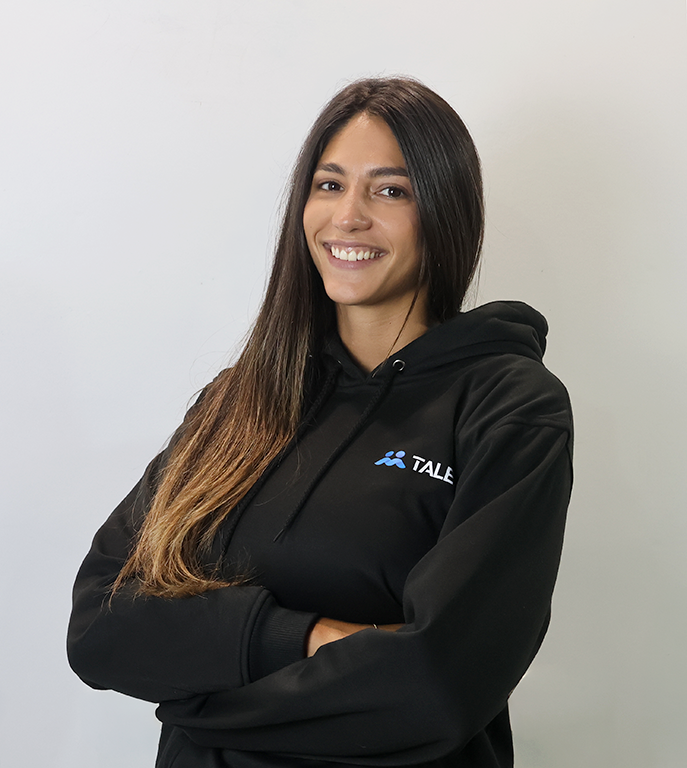
Welcome to our series celebrating the incredible women in Supply Chain and Logistics! In a traditionally male-dominated field, it's important to shine a light on the inspiring women who are making a significant impact. Through a mix of insightful and fun questions, we’ll explore their journeys, challenges, and successes. While we acknowledge the contributions of everyone in this industry, this series aims to elevate the voices and stories of women who often get missed. Next up: Mia Mazal
What Beginners Should Know About Shipping Temperature Sensitive Freight
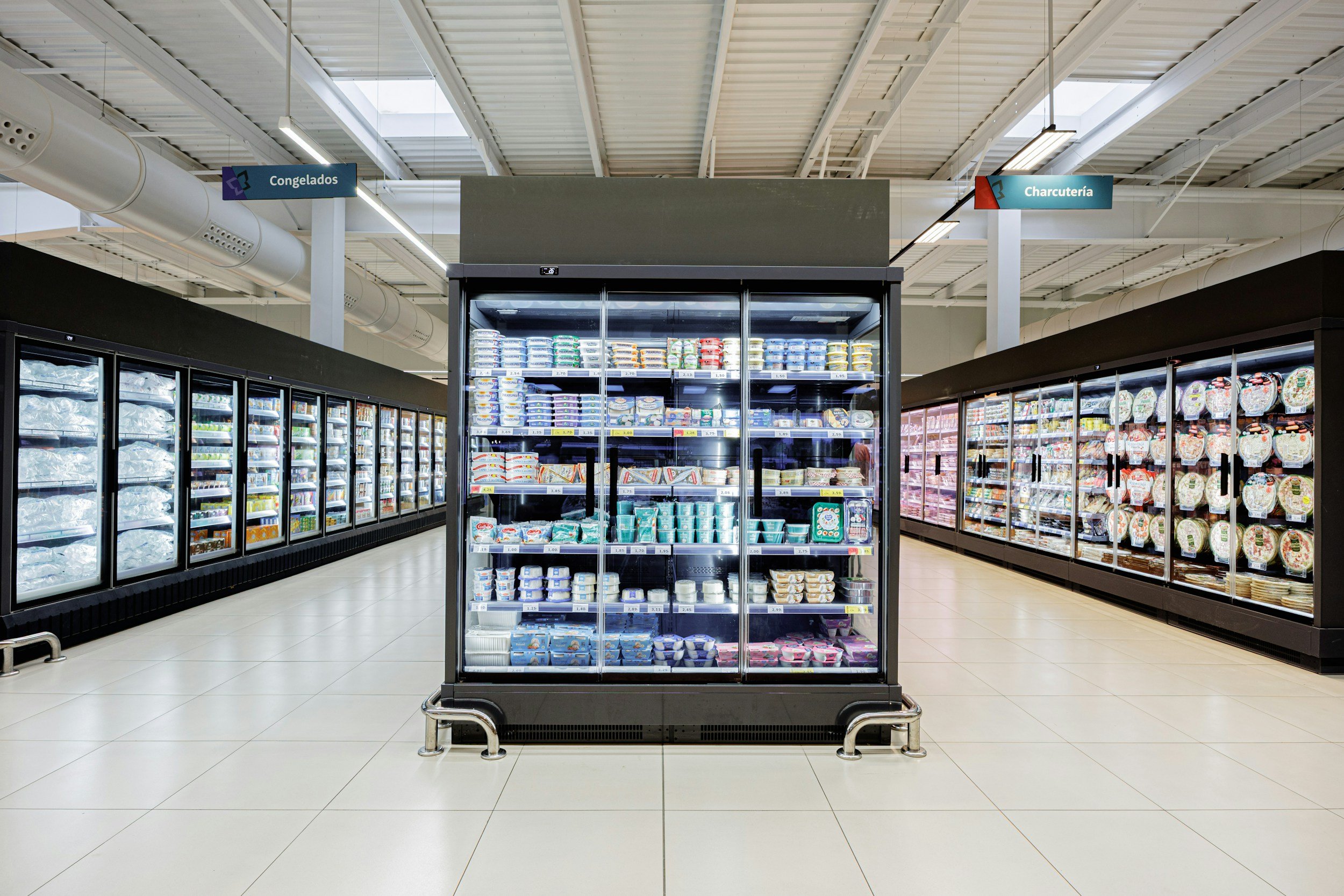
Cold chain is one of those phrases that sounds fancier than it is. Strip away the jargon and it just means keeping a product inside the temperature range it needs from the second it leaves the shipper to the second it lands at its destination, with no changes in between. The moment it’s broken by getting too warm (or too cold), the product can be compromised whether it still looks fine or not.
The tricky part for smaller shippers is that everything cold is not the same cold. Frozen goods ship at -18°C or lower, chilled products like dairy and a lot of pharma live in the 2–8°C window, and some things just need to stay "cool" and stable in the 15–25°C range. Get the range wrong, let it drift for too long, and you're looking at spoilage, rejected loads, or in some cases products that legally can't be sold.

Gorgeous Girls In Supply Chain: Holly LaBoda
Welcome to our series celebrating the incredible women in Supply Chain and Logistics! In a traditionally male-dominated field, it's important to shine a light on the inspiring women who are making a significant impact. Through a mix of insightful and fun questions, we’ll explore their journeys, challenges, and successes. While we acknowledge the contributions of everyone in this industry, this series aims to elevate the voices and stories of women who often get missed. Next up: Holly LaBoda
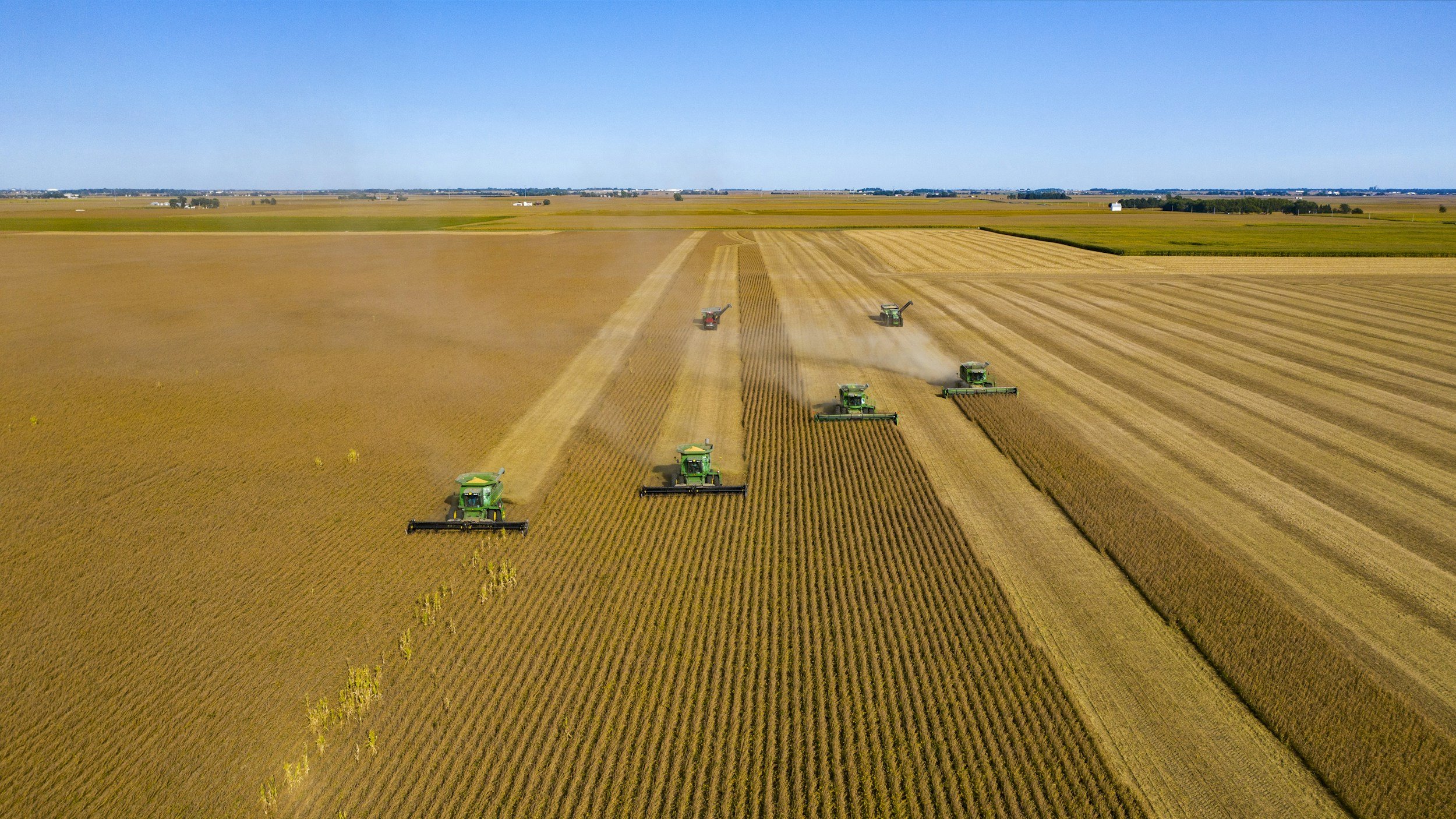
What Is the First Mile? And Why the Last Mile Always Gets the Spotlight
Everybody in this industry loves to talk about the last mile. It is the one the customer actually sees, the one with the delivery apps and the little truck icon crawling across a map, and the one that gets all kinds of conference panels and attention. The first mile gets almost none of that attention, which is funny to me since it’s where all supply chains start.
The first mile seems to be more difficult to define, depending on who you ask and where they are in the chain. Its truest definition is that it is the very start of everything, raw goods coming out of the source and heading somewhere that turns them into product: produce leaving the field for the packing house, ore coming out of the ground toward the smelter, fish off the boat and into the processing plant, etc.
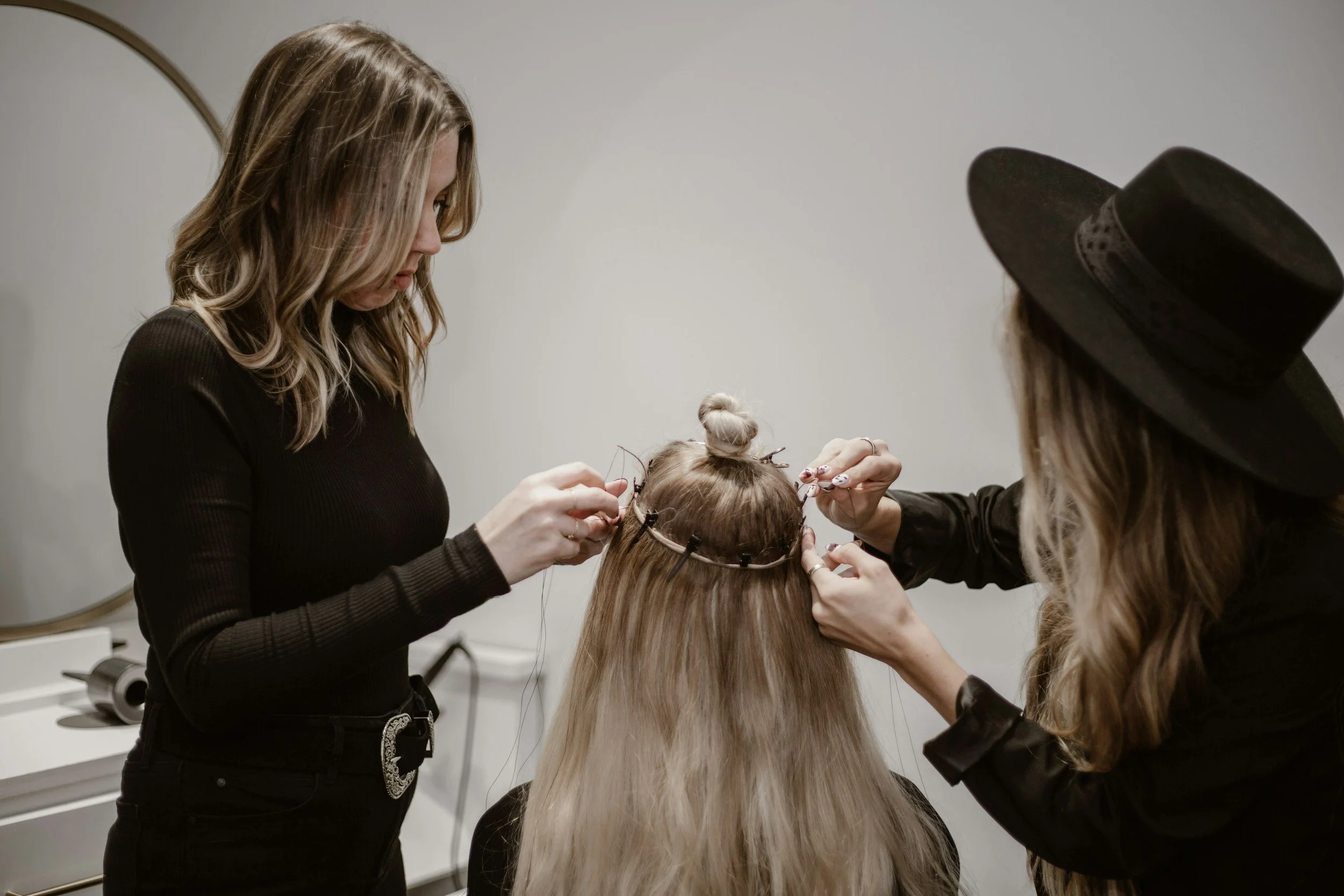
The $10 Billion Trade That Can't Answer One Question: Who’s Hair is This?
I've never gotten hair extensions, but I came close once. Mid-twenties, a truly brutal haircut, and the hard-won discovery that the bob is not for me. In the end the price tag talked me out of it and I grew out my mistake the slow way. What I know now is that the price was the least interesting question I could have asked about extensions.
Before I go any further, one thing needs to be said. This post is not about shaming anyone who wears extensions or wigs. Hair is personal, it's cultural, and for a lot of people it's non-negotiable. This is about the supply chain behind the product, because it has a traceability problem that would get any other industry dragged, and somehow it barely gets talked about at all.

Gorgeous Girls In Supply Chain: Claudia Beumer
Welcome to our series celebrating the incredible women in Supply Chain and Logistics! In a traditionally male-dominated field, it's important to shine a light on the inspiring women who are making a significant impact. Through a mix of insightful and fun questions, we’ll explore their journeys, challenges, and successes. While we acknowledge the contributions of everyone in this industry, this series aims to elevate the voices and stories of women who often get missed. Next up: Claudia Beumer
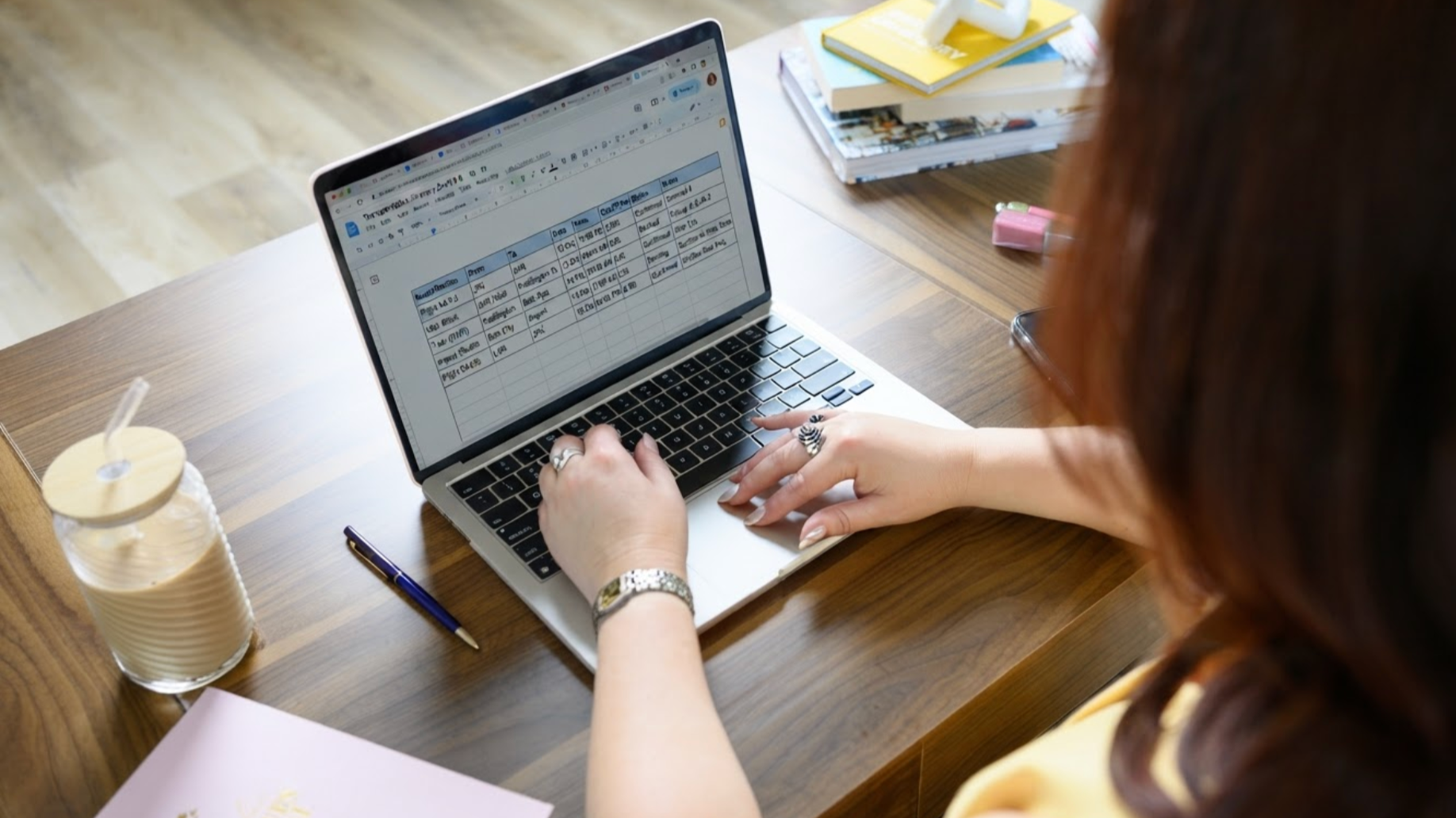
How to Survive a TMS Demo (Without Buying Something You Don't Need)
If you've been in logistics for longer than about five minutes, you already know the drill. Some rep from a TMS company you've never heard of has found your email, your LinkedIn, and possibly your cell, and they are very excited to book you a fifteen-minute demo that will somehow take an hour and change your life.
Before you cave just to make the follow-ups stop, let's talk about what a TMS actually is, whether you need one, and how to figure out in one call whether the person pitching you is selling something real or just something expensive.
A TMS, transportation management system, is software that pulls the moving parts of your freight into one place instead of spreading them across seventeen browser tabs, three inboxes, and a spreadsheet you're holding together with hope and colour-coding. At its simplest, it helps you rate, book, track, and settle shipments in one spot. The better ones layer on reporting so you can actually see what you're spending and where.

Giant Cargo, Small Gestures: What Breakbulk Taught Me About Empathy
This was my second year at Breakbulk Europe, and that changes what you take away from the experience. Year one in Rotterdam I was a trucking and brokerage person, with 23 years of experience in only North America, who had never touched project cargo (and I still haven't). I will be honest, I spent most of that first experience in awe of the sheer scale of literally everything. Breakbulk is genuinely cool. The cargo is enormous, the vessels are diverse, and the logistics behind moving something that can't go on a truck or fit in a box are the kind of challenge that makes your brain itch in the best way. When it's all new, the spectacle is most of what you take away, and there's nothing wrong with that.
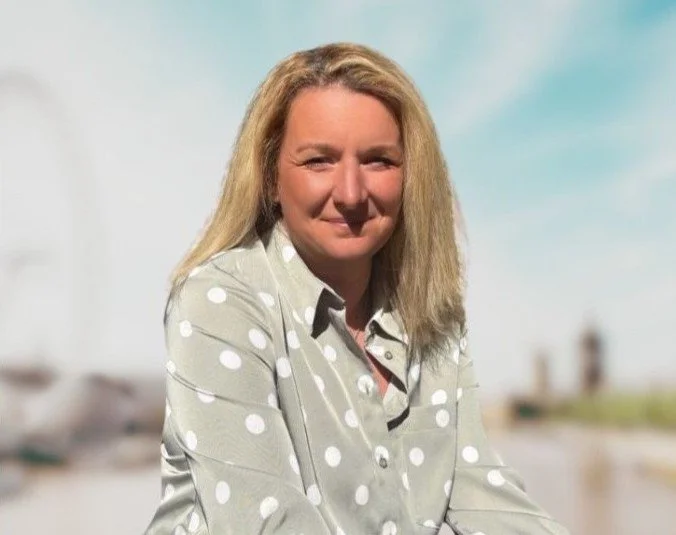
Gorgeous Girls In Supply Chain: Rebecca Farrall
Welcome to our series celebrating the incredible women in Supply Chain and Logistics! In a traditionally male-dominated field, it's important to shine a light on the inspiring women who are making a significant impact. Through a mix of insightful and fun questions, we’ll explore their journeys, challenges, and successes. While we acknowledge the contributions of everyone in this industry, this series aims to elevate the voices and stories of women who often get missed. Next up: Rebecca Farrall

Marketing and Supply Chain Collaboration: Why These Teams Need to Talk
Marketing and supply chain teams need to work together because one side makes the promise and the other side has to keep it. When they share data on inventory, demand, and shipping in real time, you get fewer stockouts, fewer broken delivery dates, and a customer experience that holds together when something goes sideways. When they don't, the customer is the first one to notice.
In most companies, though, these two teams operate like they've never actually met. Marketing runs a promotion on an item the warehouse ran out of last week, and nobody connects the dots until the complaints start rolling in. Breaking down that wall is the difference between a business that runs smoothly and one that spends its days cleaning up messes it created itself. Here's where the collaboration earns its keep.

Logistics Burnout Is Real. Here's How I Keep Mine in Check.
Burnout is practically built into logistics. Between managing clients, wrangling carriers, tracking down elusive paperwork and putting out fires you didn't start, the stress just keeps coming, and most of us treat it like part of the job. It doesn't have to be. The thing that's actually kept me sane isn't working less or caring less, it's a handful of specific habits that stop the stress from piling up. Here's what I've adopted to keep my cortisol low and my head clear, even on the days the freight gods are testing me.
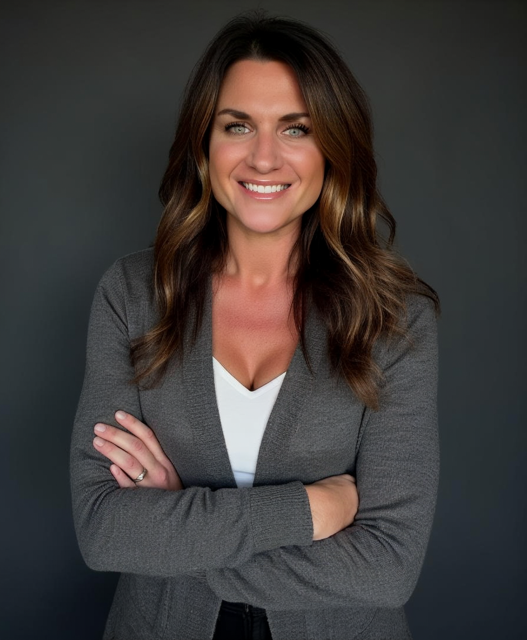
Gorgeous Girls In Supply Chain: Katie Jo “KJ” Swaggert
Welcome to our series celebrating the incredible women in Supply Chain and Logistics! In a traditionally male-dominated field, it's important to shine a light on the inspiring women who are making a significant impact. Through a mix of insightful and fun questions, we’ll explore their journeys, challenges, and successes. While we acknowledge the contributions of everyone in this industry, this series aims to elevate the voices and stories of women who often get missed. Next up: Katie Jo “KJ” Swaggert
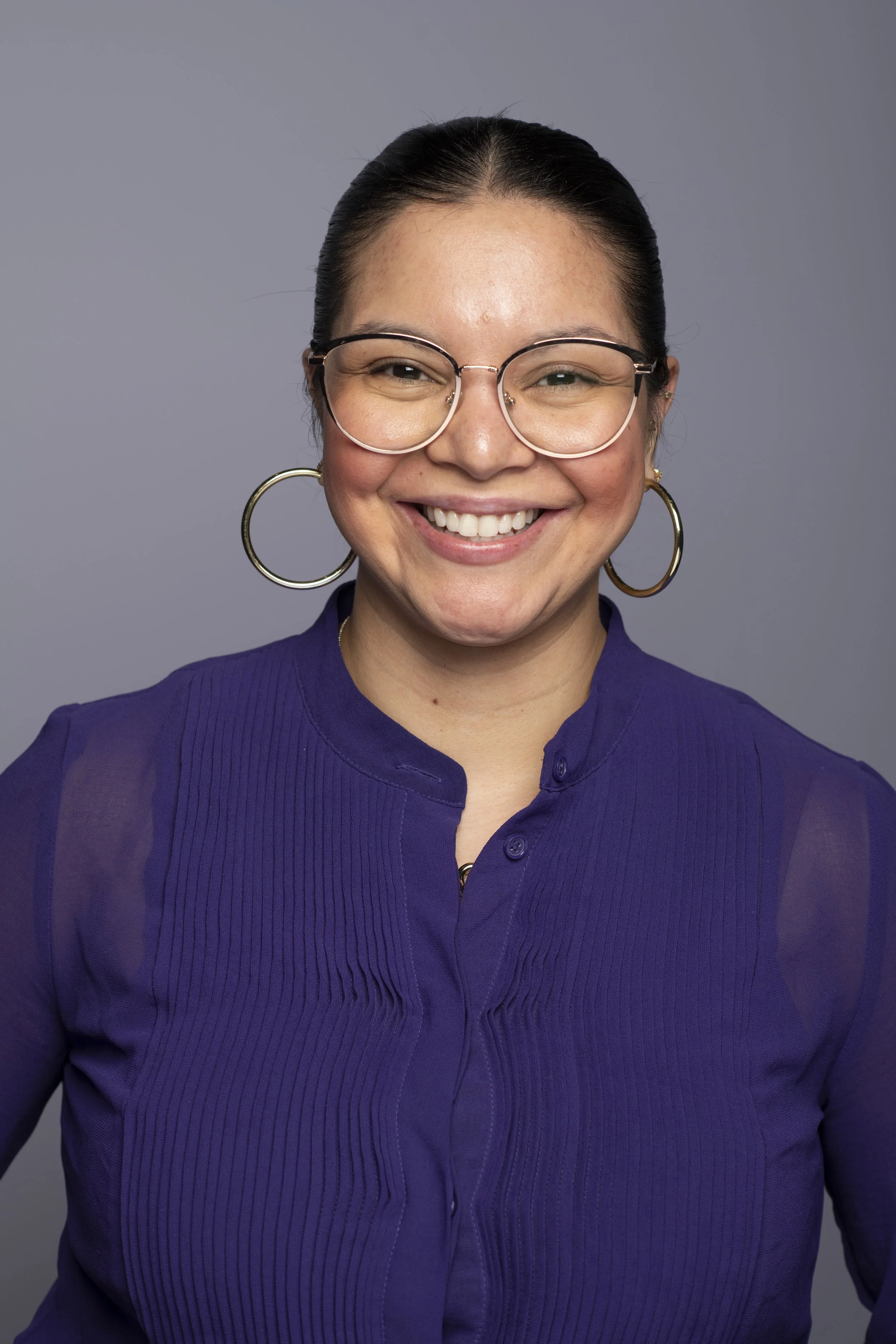
Gorgeous Girls In Supply Chain: Jenni Ruiz
Welcome to our series celebrating the incredible women in Supply Chain and Logistics! In a traditionally male-dominated field, it's important to shine a light on the inspiring women who are making a significant impact. Through a mix of insightful and fun questions, we’ll explore their journeys, challenges, and successes. While we acknowledge the contributions of everyone in this industry, this series aims to elevate the voices and stories of women who often get missed. Next up: Jenni Ruiz