Female AI Presenters and the Optics of Representation in Logistics Media
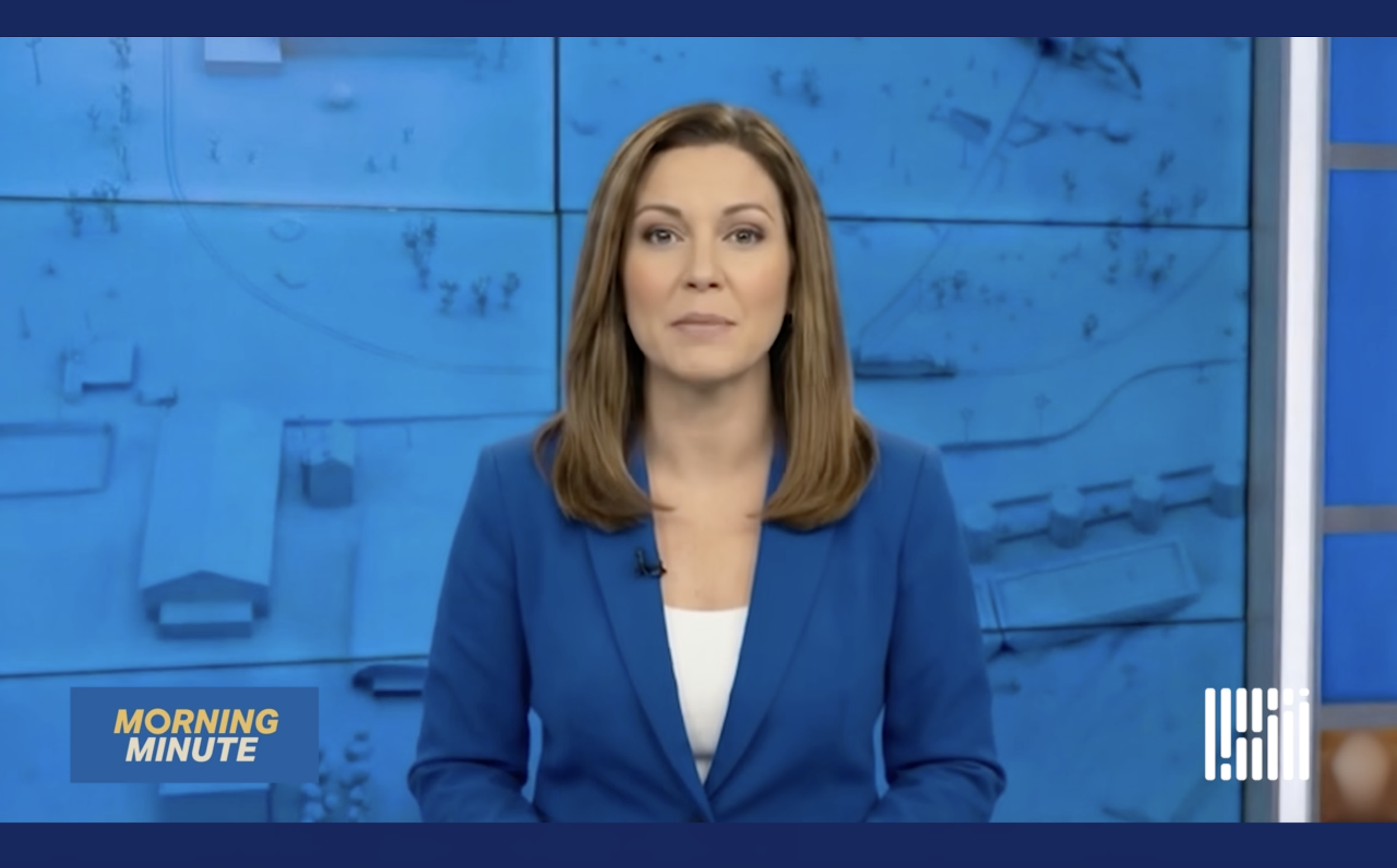
FreightWaves has introduced a female AI-generated on-camera presenter into its content lineup. At the same time, visible female human representation on camera at FreightWaves appears limited. Those are observable facts.
And when a media outlet introduces a synthetic female presenter in an environment where real female on-camera representation is sparse, it creates a big optics issue, whether intentional or not.
This is not an accusation of motive. There is no public evidence suggesting gender-based decision-making. Media companies across industries are experimenting with AI for efficiency, scalability, and cost control. That’s happening everywhere. But logistics media has historically struggled with female visibility.
So when a female AI avatar appears on screen in place of, limited real female representation, it raises a broader question about how representation is evolving in the age of automation. Intent and perception are not the same thing. A company may adopt AI for operational reasons. That doesn’t automatically make it a values statement. But audiences interpret visuals before they interpret strategy.
Are we comfortable creating digital women before consistently elevating real women in industry media? Are AI presenters simply a tool, or do they subtly reshape what representation looks like? This isn’t about cancelling anyone (at least not for this reason). It’s about clarity.
Companies choose their business models. Audiences choose what they support.
If AI-driven delivery aligns with your priorities, that’s valid. If human industry voices matter more to you, that’s valid too. But informed support requires awareness.
AI in media is not going away. The question isn’t whether it will exist. The question is how we balance efficiency with authenticity, especially in industries where representation has never been abundant.
And that conversation is bigger than one outlet.