The World Is Selling More Honey Than Bees Can Make
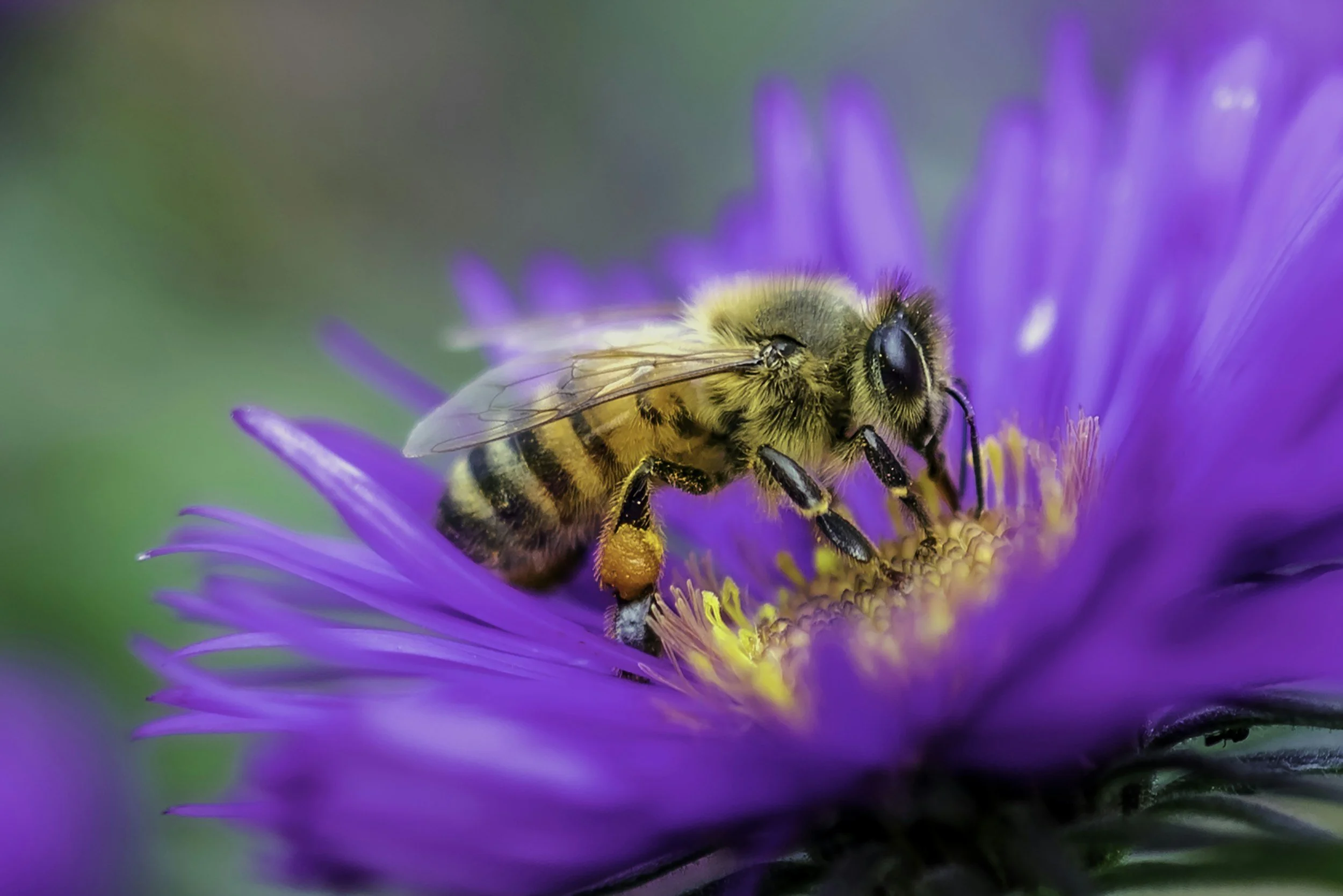
Honey always felt like the thing in my pantry I never had to think about, because it comes from bees, and how complicated can a bee be? And like, I knew the basics from 10th grade biology, but it seems my teacher left out some truly crazy details. To make a single pound of honey, bees visit around two million flowers and fly something like 55,000 miles (over 88,000 km), and one worker bee makes about a twelfth of a teaspoon of honey in her entire life, which is a wild amount of effort for something that ends up in a plastic bear next to the peanut butter. And yes, it's always her, because every worker bee is female, while the males, called drones, don't make any honey at all and get kicked out of the hive every fall once food runs low.
What my teacher definitely didn't mention is that bees have a production limit, and the global honey market is selling more than that limit allows. Once you follow honey from the hive to the shelf, the math just isn't mathing, and the gap gets filled with some very creative supply chain work.
How bees actually make honey
Honey starts as flower nectar, which a worker bee sucks up and carries home in a special second stomach called the honey stomach. Back at the hive she spits it into a wax cell, where it breaks down into simple sugars, and the bees fan it with their wings until enough water evaporates to turn thin nectar into thick honey. That drying step is a bigger deal than it sounds, because honey with more than 19% moisture will ferment, so the bees don't rush it.
Fewer bees, but more honey
Hives also don't spend all their time making honey you can buy. Commercial beekeepers rent huge numbers of colonies out to farms for pollination, and what the bees make on the job isn’t always marketable. It really depends on the crop, hives working canola fields can fill drums of honey that can also be sold, while the ones rented to California's almond orchards make a honey so bitter it mostly gets left for the bees or thrown out.
There are also fewer bees to go around. US commercial beekeepers lost an average of 62% of their colonies over the 2024–25 winter, a mite beekeepers have been fighting for decades got resistant to the main treatment, and the viruses it carries wiped out colonies. So the 2025 US honey crop was the smallest since records began in 1939, while Americans ate a record two pounds each in 2024, so imports now cover 78% of the US supply.
Zoom out to the whole world and it gets weirder. Back in 2016, a longtime honey market analyst pointed out that global honey exports had grown 60% in a decade, and that modest growth in hives plus falling output per hive couldn't fully explain it. So if the bees didn't make all that extra honey, who did? The answer? Companies stir cheap sugar syrup straight into real honey.
Shortcut One: Feed the Bees Sugar Water
Beekeepers feed sugar syrup to their colonies in winter or lean times, which is normal and keeps the bees alive. However some keepers have been doing it while the bees are making honey, because bees store syrup exactly the same way they store nectar, but they can't actually turn it into honey. Scientists call this indirect adulteration, meaning the bees get overfed syrup to boost the harvest, and what comes out of the hive looks like the real thing.
Shortcut Two: Harvest the Honey Early and Dry It In a Factory
Remember that slow fanning step? Some producers skip it by pulling honey out of the hive before the bees have finished ripening it, then drying it in a factory with vacuum dryers that remove moisture about 15 to 20 times faster than a dehumidified room, so the same hives can be harvested more often. Apimondia, the international federation of beekeepers' associations, says unripe honey dried this way meets all four criteria of food fraud and shouldn't be sold as honey at all. It's pretty much impossible to catch in a lab, so auditors look for it in person, by comparing a beekeeper's hive yields with the rest of the region, checking equipment, checking the frames at harvest and of course tasting the honey fresh.
Shortcut Three: Give It a New Passport
This is where honey fraud starts to look a lot like freight fraud. In 2001 the US put anti-dumping duties on Chinese honey, which are extra import fees charged when a country is selling a product for less than it costs to make. Chinese honey exports to the US dropped from about 60 million pounds to almost nothing. At the same time, honey exports to the US from Vietnam, India, Indonesia, Malaysia, Thailand and others jumped by suspiciously similar amounts.
This is transshipment, where goods travel through a third country and pick up a new country of origin along the way. When US officials charged two of the country's biggest honey suppliers and five people in 2013, prosecutors said Chinese honey had either been declared as sugars and syrups, or as coming from Indonesia, Malaysia, Mongolia, Thailand and Vietnam, to dodge about $180 million in duties.
Often honey is even “cleaned”. Honey naturally carries pollen, and pollen is how labs can figure out where honey came from. So some honey gets ultra-filtered or run through resin to strip out the pollen. One US honey producer put it bluntly, saying the only reason to filter out all the pollen is to hide where the honey came from.
Shortcut Four: Fake the Fancy Stuff
Manuka honey comes from bees feeding on the flowers of the manuka bush, which grows wild in New Zealand and parts of southeastern Australia, and it has far more of a natural antibacterial compound called methylglyoxal, or MGO, than regular honey does. Funny enough, it was treated as low-grade honey and fed to cattle until 1981, until a New Zealand scientist discovered its antimicrobial properties, and now it sells for around US$60 to $100 a pound in American stores, more than ten times the price of regular clover honey, with the price climbing the higher its MGO level are. In 2019, an Auckland honey exporter called Evergreen Life and its operations manager were fined NZ$372,500 after investigators found they'd been adding synthetic MGO and dihydroxyacetone, or DHA, to low-grade and regular honey so it would pass as high-strength manuka. Synthetic DHA is the active ingredient in fake tan, so yes, some of that "manuka" was basically honey with self-tanner in it. About 14.5 tonnes of it was exported, and the recall reached the US, China and Hong Kong, Korea, Australia and Singapore.
So Who's Checking the Math?
The industry's own groups say the fix is a supply chain fix: track honey from the hive to the shelf and compare that paper trail with how much honey the bees could realistically have made, so a suspicious pile of extra honey stands out. Argentina, which exports nearly all of its honey, already runs an online traceability system linked to its tax system, where every step is registered and every drum is labelled.
The EU is heading that way too. Since June 14, 2026, honey blends sold in the EU have to list every country of origin on the label with the percentage from each, calculated from the seller's own traceability records, while the official lab methods for catching added sugar aren't due until 2028. So the next time you squeeze that plastic bear, just know the honey inside may have taken a much more complicated trip than the bees ever did.
How to know what you're buying
Since you don’t have a lab in your home to know what you bought, a few clues go a long way. Price is the big one, because people in the industry, from Canadian beekeepers to the UK's Honey Authenticity Network, say very cheap honey is unlikely to be the real thing. Then check the label, the word "blend" means the honey comes from more than one place, and in the EU the label now has to tell you exactly which countries and how much from each. A name you can actually trace helps too, whether that's a specific beekeeper or a specific region, and one Canadian honey producer's advice was to find someone who's put their own name on the bottle. For manuka, look for an MGO number or the UMF mark, which stands for Unique Manuka Factor, a grading system run by New Zealand's manuka producers' association. And skip the at-home tricks you might have seen floating around TikTok, since no single test can prove honey is real.
So the next time you squeeze that little plastic bear into your tea, just know the bees only control the first part of the journey and production, and the rest is up to the supply chain.