Everything About Vanilla Is Harder Than It Should Be
So not a lot of my professional network knows this but I really enjoy baking but with the lifestyle I lead as a digital nomad, that’s a hard hobby to regularly enjoy. So whenever I have a place with an oven and the basics I need to create a sweet treat, I indulge myself. But some ingredients are harder to find than others, butter, eggs, sugar, flour, no problem but vanilla? Like real vanilla? That is a challenge, and that is what this post is all about. What is vanilla, where does it come from, how does it get to store shelves and what should buyers and consumers know when purchasing this unique and frankly under-rated flavour ingredient.
What is it Actually?
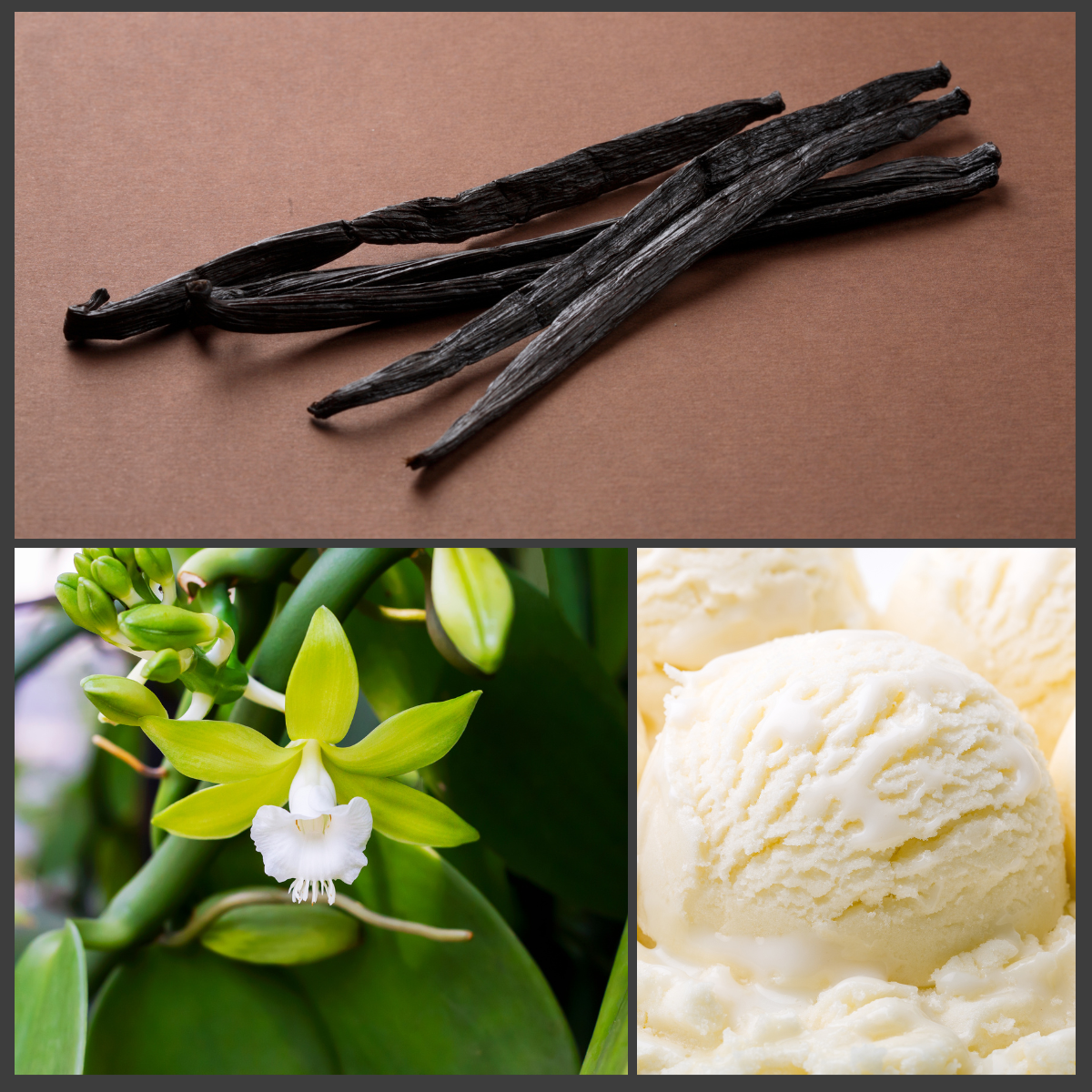
So truly when I started down this rabbit hole I thought I would learn some things but the very first thing I learned is that vanilla is a seed pod of a climbing orchid. Each flower opens for less than a day, meaning it has to be pollinated in that timeframe, if not no pod will develop. This plant is actually indigenous to Mexico but with colonization the plant was shipped all over, only problem being that the pollinators only existed in Mexico so the plants outside Mexico never produced the pods. Turns out the orchids really did well in the French colony of Madagascar, and in the mid 1800s an enslaved boy named Edmund Albias figured out how to use a sliver of bamboo to pollinate the orchid. And in 2026, this is still how they are pollinated, 100% by hand in Madagascar. And even if you do make the pollination window, the pod still takes 8-9 months to develop, meaning one harvest a year at best. And new farms take 3-4 years to be able to even produce anything at all. Once the beans are harvested they are then cured, that’s when the flavour develops and some beans become so valuable that farmers will even brand them to deter theft.
How is it Shipped?
So cultivating, not easy, but shipping? Also not easy and apparently not consistent across supplying countries. Major producers being Madagascar, Indonesia and Mexico. Madagascar produces roughly 75-80% of the global supply, Indonesia is a second and Mexico the actual birthplace of vanilla is a distant 3rd (we will address why in the next section). Madagascar prohibits exporting vacuum-sealed beans, the belief is plastic and moisture loss flatten the aroma and flavour, and beans need to "breathe." Indonesia does the exact opposite, vacuum-sealing individual beans to stop oxidation. Cured beans are ~25–35% moisture, so humidity control is the entire game in transit. Too dry? Weight and flavour is lost; too damp and they get mouldy. Often beans are packaged in glass tubes for sale. Most often beans are flown rather than sent via ship due to the delicate nature of the product. On top of all this Madagascar has strict customs regulations for export of vanilla, including a price floor, beans can't legally leave below a government-set USD/kg minimum, and the declared grade can't be downgraded to sell for a lower price.
Mexico Is No Longer the Capital of Vanilla
Mexico is the only place in the world where the vanilla orchid pollinates naturally. Hand pollination is what made it possible for anyone else to compete, and cheap colonial labour is what let Madagascar out-produce them. But Mexico also made things worse for itself, by letting fake vanilla trade on its name, which cost it the reputation and not just the volume. It's been expanding its growing regions to try and claw back some ground, but rising wages make it hard to compete on price, and people still trust the Madagascar vanilla brand far more than the Mexican one.
Most of What You're Eating Isn't Vanilla at All
Real vanilla-bean extract makes up only about 1% of the vanilla flavour on the market. Just one. Something like 95% or more of the "vanilla" the world eats has never even been near a bean. It is synthetic vanillin, and once you know where it comes from it is hard to unhear. The cheap stuff is made from either lignin, which is a waste byproduct of the paper and wood-pulp industry, or guaiacol, which is derived from petrochemicals. So a good chunk of the world's vanilla flavour is, functionally, made from leftover paper sludge or oil, awesome. There is also a newer "natural" version fermented from things like rice bran or ferulic acid, which is where the labelling starts getting slippery, because "natural flavour" doesn't legally have to mean much.
To complicate things more, a lot of the cheap "Mexican vanilla" sold to tourists isn't watered-down vanilla, it isn't even vanilla at all. It's often extract of the tonka bean, which is loaded with a compound called coumarin. Coumarin is banned as a food additive in a lot of places, because in large amounts it can do damage to your liver. FYI, it also turns up naturally in cinnamon in tiny doses, but don’t toss out your spice rack staple, small doses are ok.
What Buyers and Consumers Should Actually Look For
The good news is you don't need a lab to figure out what you’re actually purchasing, you mostly need to read the label and do a little maths. Here's what I'd keep in mind next time you're standing in the aisle wondering which bottle to trust:
The word that matters is "Pure." "Pure Vanilla Extract" is the one term regulators actually govern, and it legally has to get all its flavour from real beans, no synthetic vanillin added.
Read the ingredients, not the front of the bottle. You want to see vanilla bean extractives, water and alcohol. If you see "vanillin" listed with no beans, that's the synthetic version.
Watch the wording games. "Flavour," "essence," and "imitation" are all tells. And "natural flavour" or WONF ("with other natural flavours") is a grey zone, it can mean a little real vanilla stretched with other stuff.
Let the price talk. Real vanilla is the second most expensive spice on earth for a reason, every one of those beans was pollinated and cured by hand. If a bottle labelled "pure" is suspiciously cheap, read the fine print.
Brown, not clear. Real vanilla is brown.
If you're buying wholesale, ask for a Certificate of Analysis. Any reputable supplier will have one, and it confirms the product hasn't been cut with synthetic.
Certifications like Rainforest Alliance, Fairtrade or organic are worth looking for too, but know what they're telling you, they speak to how the vanilla was grown and who got paid fairly, not whether the bottle is bean-based or synthetic. Authenticity still comes down to that word "Pure" and the ingredient list.
So, was it worth the rabbit hole?
Honestly, yes. I went looking for a decent bottle of vanilla and came out the other side with a new appreciation for what is genuinely one of the most labour-intensive, oddly-shipped, easily-faked ingredients most of us keep in a cupboard and never think about. A flower that opens for a single day, gets pollinated by hand exactly the way an enslaved boy figured out in the 1800s, waits the better part of a year to become a pod, gets cured for months, and then crosses an ocean under strict export rules, all so we can put a few drops in a batch of cookies. So just like always with supply chains, the price really is the least interesting question you can ask about