What Beginners Should Know About Shipping Temperature Sensitive Freight
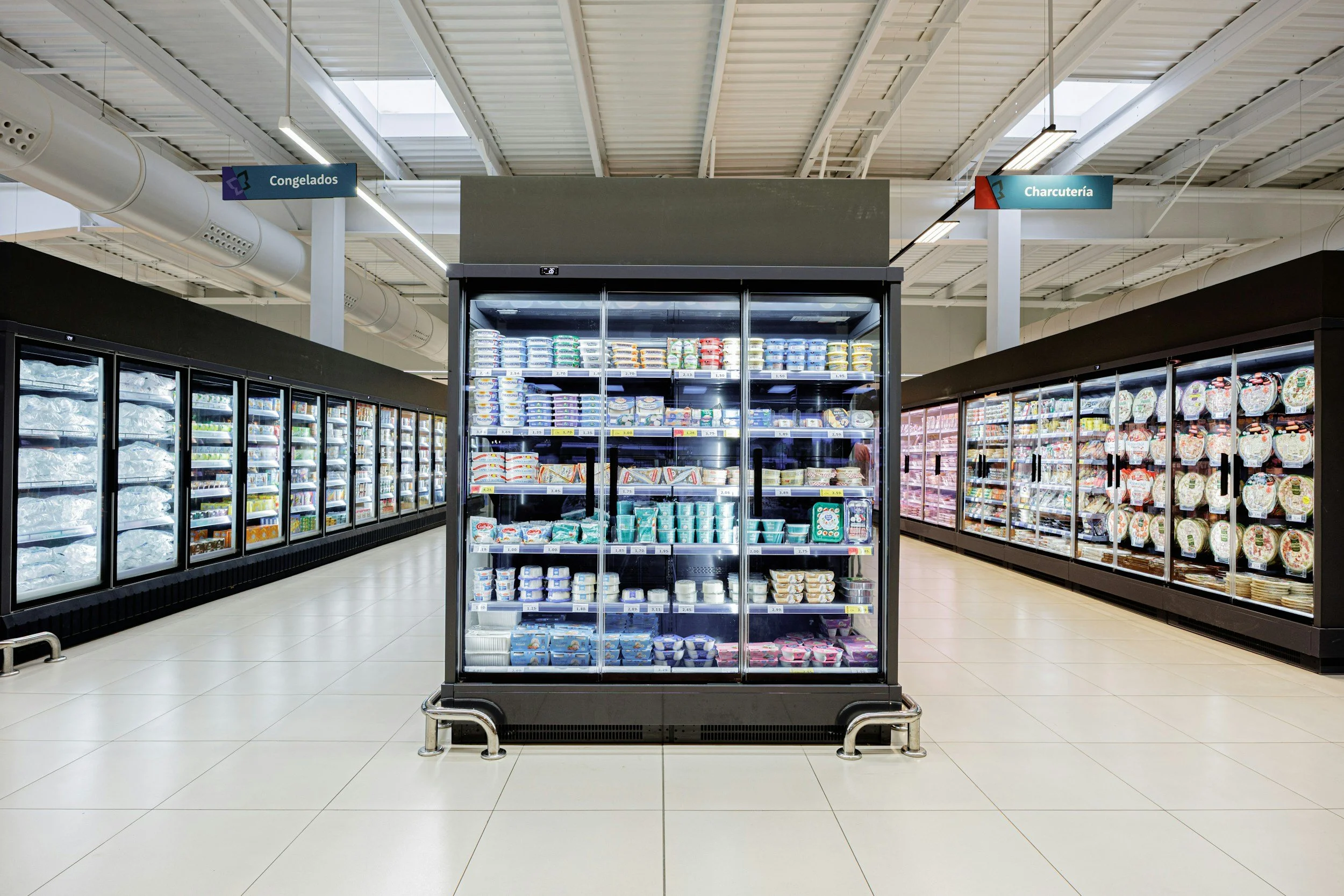
Cold chain is one of those phrases that sounds fancier than it is. Strip away the jargon and it just means keeping a product inside the temperature range it needs from the second it leaves the shipper to the second it lands at its destination, with no changes in between. The moment it’s broken by getting too warm (or too cold), the product can be compromised whether it still looks fine or not.
The tricky part for smaller shippers is that everything cold is not the same cold. Frozen goods ship at -18°C or lower, chilled products like dairy and a lot of pharma live in the 2–8°C window, and some things just need to stay "cool" and stable in the 15–25°C range. Get the range wrong, let it drift for too long, and you're looking at spoilage, rejected loads, or in some cases products that legally can't be sold.
Here are the things worth knowing before you ship your first temperature-controlled load.
1. Start with the spec sheet, not a guess. "Keep it cold" is not a specification, and is the fastest way to get a load rejected. Most manufacturers publish a spec sheet for temperature-sensitive products, and it lays out the storage range, the transport range, the humidity requirements if they matter, and how long the product can sit outside that range before it's compromised. If you can't put your hands on one, ask for it in writing rather than working off what someone told you over the phone, because those specifications are the foundation for every other decision you make about the load, how you set the reefer, how you pack it, what you tell the driver, etc.
2. Your spec and your receiver's spec need to be reconciled. Knowing what your product needs is only half the job, because the retailer or distributor on the receiving end almost always has its own receiving specifications: the exact temperature the product has to arrive at, the tolerance they'll allow around it, and the paperwork they want to see at the door. The big grocery and pharmacy chains are strict about this, and they will bounce a load that shows up even a couple of degrees outside their window regardless of whether the product is actually still fine. So before you ship, get the receiver's spec for that specific product and build your handling around hitting their arrival temperature, not just your own storage range, because at the dock their number is the one that counts. And if their specs are way off, there needs to be a conversation before anything ships.
3. Pre-cool the trailer before anything goes in. This is self-explanatory.
4. A reefer maintains temperature, it doesn't rescue it. This is the one that catches everybody. If your product goes on warm, it comes off warm, because the unit is circulating air at your setpoint rather than pulling heat out of the product itself. Load it at the correct temp or don't ship it.
5. Air temperature and product temperature are not the same thing. The reefer's display is reading the air inside the trailer, but what actually spoils is the core of the product — the "pulp temperature" if we are talking about fruits and veggies. Something can read perfect on the gauge while the middle of the pallet is continuing to heat up (I still have nightmares about shipping corn).
6. Don't choke the airflow. Cold air has to move around and through the load to do its job, so jamming product against the walls, the doors, or the floor drains creates hot spots. Load it so the air can actually circulate.
7. Put a Temperature recorder in every load. If you can't prove the temperature held the whole way, you can't prove the product is good, and "it looks fine" won't hold up with a customer or an auditor. A cheap logger or a real-time tracker riding along in the shipment is your best due diligence.
8. Have a plan for when the temperature breaks. It will happen eventually, and the worst time to figure out your next move is while you're standing at the dock with a warm load. Decide in advance who makes the call on whether the product is still usable, where it should go, and have an SOP that includes how to mitigate loss, before pointing fingers.
9. Vet the reefer, not just the carrier. Plenty of carriers say they haul reefer, but ask follow-up questions like the age of the reefers and how often they receive maintenance.
10. Reefers can be set to continuous or cycle. Meaning the reefer will either continuously blow out the air at the set temp or the reefer will run by turning one and off, similar to an air conditioner on auto.
11. Know which rules apply to you. Food and pharma play by different rules, Safe Food for Canadians Regulations and Food Safety Modernization Act on the food side, Good Distribution Practice on the pharma side, and those rules dictate your documentation, your monitoring, and what needs to happen when something goes sideways.
None of this is complicated, and that's exactly what trips people up, cold chain doesn't ask you to be clever, it asks you to not skip the boring stuff, and nearly every rejected load comes back to somebody deciding one step didn't really matter that day.