What Is the Jones Act Even Protecting Anymore?
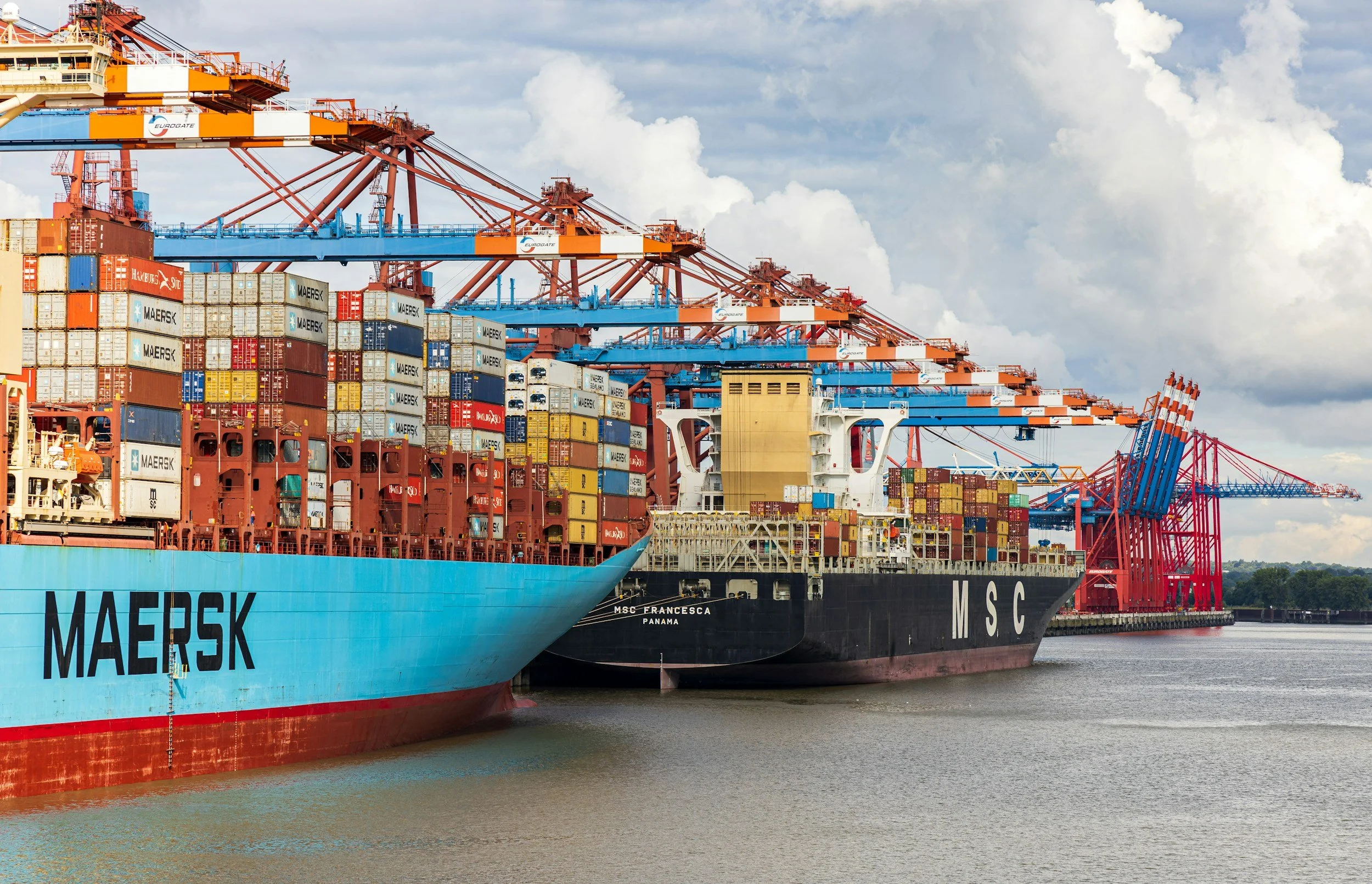
Last week, the US Administration extended the Jones Act waiver another 90 days. And it barely seems to have registered. And even in logistics, the industry that should care most, the reaction was kind of just a collective shrug.
Which is strange, because this is one of the messiest, most-nuanced shipping stories of the year, and the reason it's messy has almost nothing to do with the waiver itself. It has to do with about a hundred years of decision-making that got us here.
What the Jones Act Is (the TLDR)
The Jones Act is a 1920 law, officially Section 27 of the Merchant Marine Act of 1920, that says any cargo moving between two U.S. ports has to travel on a ship that is U.S.-built, U.S.-flagged, at least 75% U.S.-owned, and at least 75% U.S.-crewed. Miss one of these specifications and the ship doesn't qualify.
It applies to maritime only. Trucking has its own cabotage rules. Rail also has its own rules. If it doesn't float, the Jones Act isn't the law that applies.
The original logic was straightforward: World War I had just gutted global shipping, and the U.S. wanted a domestic merchant marine it could lean on for both commerce and military sealift. Build the ships in the US, crew them with Americans, and you've got a fleet ready to go when/if things get ugly.
That was the plan in 1920. Unfortunately the plan did not exactly hold.
How U.S. Shipbuilding Quietly Fell Off a Cliff
Here's the part nobody likes to talk about. In 1950, there were 434 oceangoing ships in the Jones Act fleet. By 2018, that number had dropped to 99 and as of September 2025, it sits around 93, split between roughly 31 cargo vessels and around 56 to 57 tankers.
Globally, the picture is even starker. As of 2024, the U.S. accounted for roughly 0.1% of global commercial shipbuilding output. China alone built more than half of the world's commercial vessels by tonnage. South Korea built about 17% and Japan built around 20%. One Chinese state-owned firm, China State Shipbuilding Corporation, has built more commercial vessels by tonnage in 2024 than the entire U.S. industry has built since World War II.
The reasons are plentiful, labour costs, the end of federal commercial shipbuilding subsidies in the 1980s, decades of underinvestment, and a slow pivot toward Navy contracts over commercial ones. The result is that building a large container ship in the U.S. costs roughly three to four times what it costs in Asia (about $200-250 million versus $60-70 million as per the Center for Strategic and International Studies and other industry estimates).
So the country that wrote the Jones Act to protect its shipbuilding industry barely has a commercial shipbuilding industry left to protect. The few oceangoing yards still active like Philly Shipyard and General Dynamics NASSCO in San Diego being the major ones, operate on thin margins, mostly relying on Navy or government contracts to stay afloat.
When supply gets tight or demand spikes, there often aren't enough qualifying ships to move the cargo or more importantly oil/oil products.
Why the Waiver Exists (and Keeps Getting Used)
Enter the waiver. The administration can suspend the Jones Act in cases of national defence or "in the interest of national security." It's been done before like after Hurricane Katrina, Superstorm Sandy, Hurricane Maria, and during fuel shortages along the East Coast.
This time, the trigger was the war in Iran. And due to the closure/blockade of the Strait of Hormuz oil supply has been squeezed, gas prices have jumped, and the administration argued that opening U.S. ports to foreign-flagged tankers would help move fuel around the country faster. The original waiver was 60 days starting March 18, 2026. The extension adds another 90, running through mid-August.
So far, the White House says more than 9 million barrels of fuel have moved under the waiver. Whether that's a lot or a little depends entirely on who you ask.
Where the Real Fight Is
This is where it stops being a clean policy debate and starts being a brawl with three or four different things happening at once.
The "this is working" camp: Energy producers, refiners, agricultural groups, and free-market think tanks like the libertarian Cato Institute argue the waiver eases bottlenecks, increases shipping capacity, and gives consumers some relief. They also point to studies showing the underlying law drives up costs in normal times.
The "this is sabotage" camp: Maritime unions, the American Maritime Partnership, the Transportation Institute, and lawmakers like Rep. Garamendi argue the waiver hollows out the domestic fleet, hands cargo to foreign operators, undermines national security, and has not actually lowered gas prices. Pump prices have gone up since the first waiver took effect, not down.
The wrinkle nobody wants to acknowledge: Both camps are partially right.
Yes, the waiver probably is helping move fuel faster but it's also barely moving the needle on what you pay at the pump. Studies on the Jones Act's actual cost to consumers come in all over the map, estimates from groups like JPMorgan, the National Bureau of Economic Research, and industry analysts range from saving about 10 cents per gallon down to less than a third of a cent. The honest answer is: somewhere in that range, and probably modest. Gas prices are mostly driven by global crude markets, not domestic shipping costs.
But here's the bigger question: what is the Jones Act actually protecting?
The whole point of the law was to maintain a strong U.S. shipbuilding industry and a domestic merchant fleet ready to support military sealift. That was the deal, accept higher shipping costs in exchange for industrial and national security capacity.
By most measures, that industry has already collapsed. And the same administration waiving the law is simultaneously pushing the SHIPS for America Act and talking publicly about restoring U.S. maritime dominance. So the administration’s policy is, simultaneously: rebuild domestic shipping, and let foreign ships do the domestic shipping. Squint and it makes sense. Maybe?
What Shippers Should Actually Watch
A few practical things worth tracking, regardless of where you land politically.
The waiver expires in mid-August. Whether it gets extended again, narrowed, or replaced with case-by-case waivers will tell you a lot about where this administration's actual priorities sit.
If the waiver becomes more or less permanent, expect louder calls to either reform the Jones Act outright or beef up enforcement, and expect the next round of debate to focus on Puerto Rico, Hawaii, and Alaska, where the law's consequences hit hardest.
And keep an eye on shipbuilding policy. If the U.S. wants a serious Jones Act fleet, somebody has to actually build the ships. And that's a much bigger conversation than a 90-day waiver.
The Mess
So that's where we are. A 1920 law designed to protect a shipbuilding industry that no longer really exists, being temporarily suspended to address a fuel crisis it wasn't designed to solve, in a way that helps some Americans and hurts others, while the same government promises to revitalize the industry it's currently waiving the rules for.
Nuanced? Yeah. Worth your attention if you work in logistics? Absolutely.
I'm not here to tell you which side is right. I'm here to tell you it's not as simple as "waive it" or "don't" and anyone selling you a clean answer probably hasn't read past the headlines and doesn’t know the details. Welcome to logistics. It's rarely a clean answer.