What Is the First Mile? And Why the Last Mile Always Gets the Spotlight
Everybody in this industry loves to talk about the last mile. It is the one the customer actually sees, the one with the delivery apps and the little truck icon crawling across a map, and the one that gets all kinds of conference panels and attention. The first mile gets almost none of that attention, which is funny to me since it’s where all supply chains start.
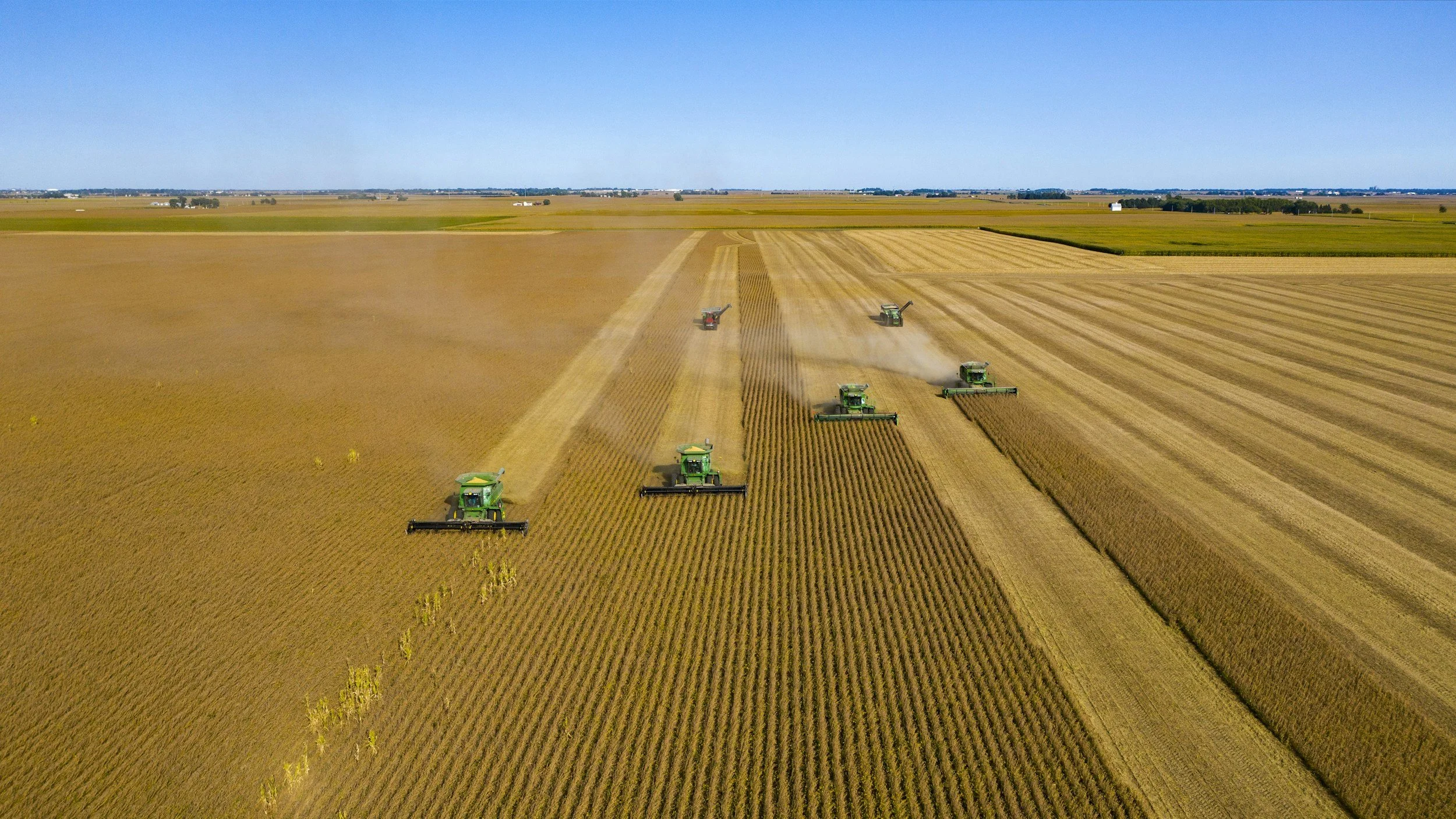
The first mile seems to be more difficult to define, depending on who you ask and where they are in the chain. Its truest definition is that it is the very start of everything, raw goods coming out of the source and heading somewhere that turns them into product: produce leaving the field for the packing house, ore coming out of the ground toward the smelter, fish off the boat and into the processing plant, etc. Further along it shifts meaning, so for a manufacturer and retailer the first mile is finished product moving from the plant to a distribution centre. Same term, different starting line, depending on where you are looking at it from. Wherever it begins, the first mile is the leg where you have the least say in how it goes, because it runs on forces that do not care about your schedule: weather that decides when the harvest comes in or whether the crop leaves the field at all, port congestion and drayage that can park your freight for days while you watch the clock, and a customer who changes the order, the volume, or the ship date at the last minute and blows up the plan you built around the old numbers. You can schedule and consolidate and coordinate all you like, but the first mile has a way of reminding you it mostly runs on weather, timing, and other people's (questionable) decisions. When the first mile slips that delay often rolls downhill through every leg that follows.
The last mile is the opposite animal. It is the final stretch, from the local hub or fulfillment centre to the customer's actual door, and it is short, chaotic, and wildly expensive. This is where the money disappears: last-mile delivery now eats around 53% of total shipping costs, up from 41% back in 2018, which means the shortest leg of the entire trip is somehow the single most expensive one. The reason is simple math with an ugly answer. Line haul moves freight in bulk between two points, a full truckload, a rail car, an ocean container, or a plane, all of it consolidated into one clean run, while the last mile sends one driver out to dozens of scattered addresses, most of them residential, most of them low density, burning fuel and hours between every stop. Then you pile on everything that goes wrong at the door. Bad addresses drive close to half of all failed deliveries, and every failed drop costs somewhere around $18 to attempt again. That along with, urban parking, customers who expect a live tracking dot, and a returns process that runs the whole thing in reverse, and you get a spread where an urban delivery might cost $10 while a rural one can climb to $50.
And maybe that is exactly why the first mile barely gets talked about. The last mile happens on your street, on your doorstep, with a little photo of the box on your porch, so of course it takes all the apps and the panels and the airtime. The first mile happens in a field at dawn, down a mine, or on a dock six time zones away where no customer is ever hanging out, so it stays invisible right up until the moment it breaks.
The last mile gets the attention, the apps, and the funding rounds, and to be fair it has earned a fair bit of that, because 53% of your shipping cost is not a rounding error and somebody should absolutely be working on it. The first mile just gets on with it, out where nobody is watching, and it is the leg that decides whether there is anything to deliver at all and whether it turns up in the condition you promised somebody it would. Neither one is optional, both are harder than they look from the outside.